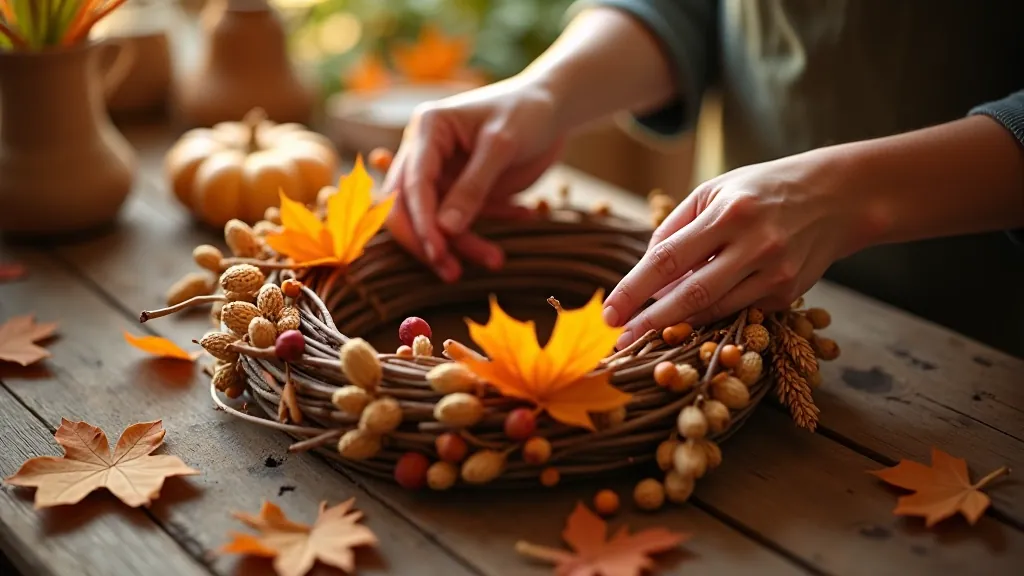
Crafting Autumn Wreaths from Garden Materials
Gather fallen leaves and branches to create lasting decorations. We'll show you techniques that work with what autumn provides.
Traditional decorations, flower selection, and setup methods that connect you to Latvia's oldest midsummer festival. Learn what grows naturally in your garden.
Jāņi isn't just another summer celebration — it's one of Latvia's most ancient traditions, marking the summer solstice with bonfires, singing, and flowers. The whole point is connecting with nature at its most vibrant moment. You don't need to travel far or spend money on decorations. Everything you'll need probably grows in your yard or nearby.
The festival lasts from June 23rd evening through June 24th, and preparation actually starts weeks before. It's not about perfection. It's about bringing the outdoor world into your home with authentic touches that feel real and lived-in.
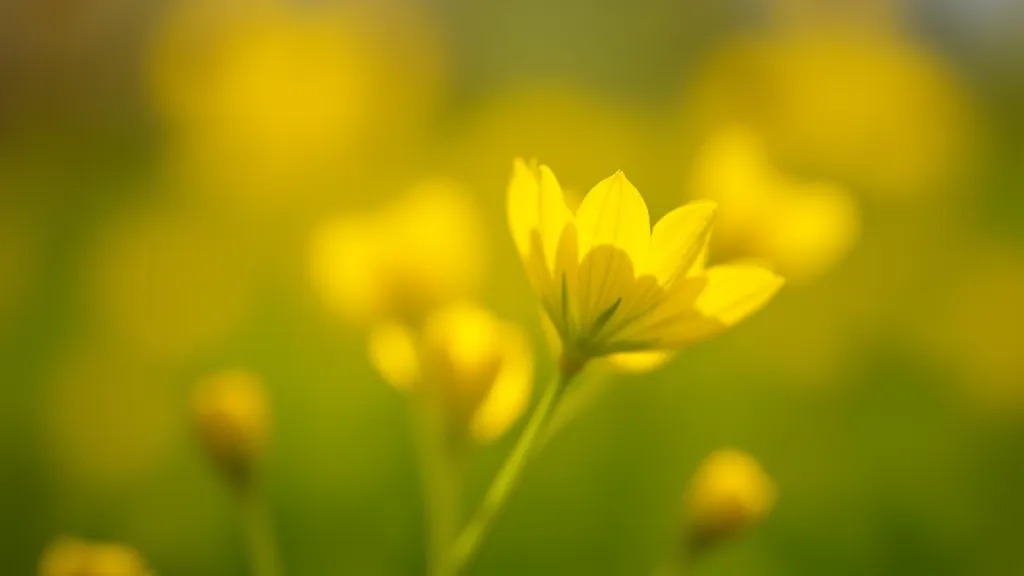
St. John's Wort is the traditional flower for Jāņi — you'll recognize it by its small yellow blooms and the way it feels slightly oily when you touch it. It's got this folklore connection where people believe it brings protection and good luck. The thing is, it actually grows wild in Latvia, so you can find it along roadsides and in meadows without much effort.
Beyond St. John's Wort, the classic combination includes daisies, peonies if they're blooming, and whatever else is flowering in late June. Lavender works beautifully too — it smells amazing and dries well if you want to keep some arrangements after the festival. Mix in some greenery like ferns or grasses to fill out the bunches. Don't overthink it. If it's green and growing, it probably belongs in a Jāņi arrangement.
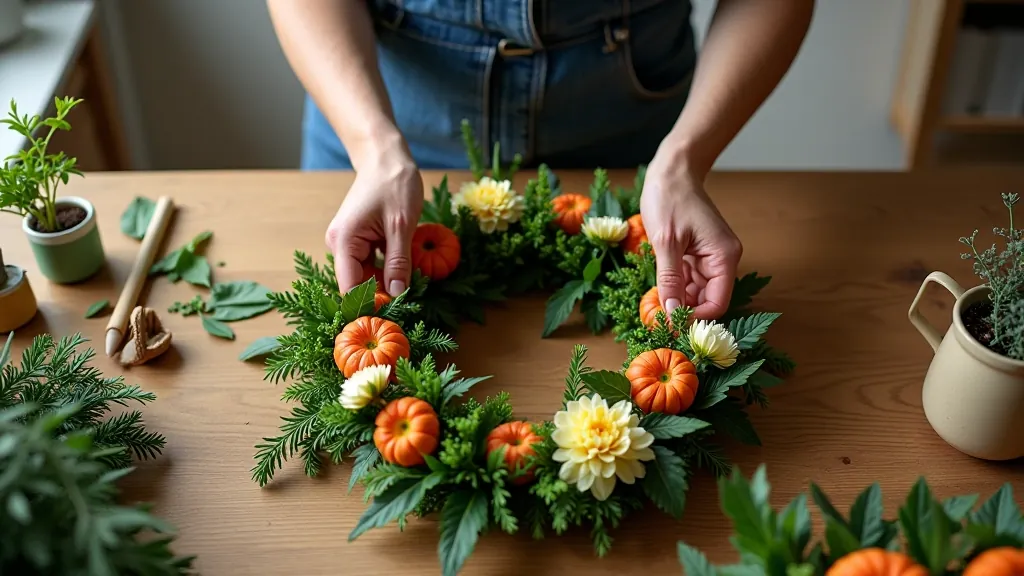
Wreaths are the centerpiece of Jāņi decoration. You can buy a foam base or make one from twisted willow branches — honestly, the branch version feels more authentic and costs nothing if you've got willows nearby. Wrap your flowers and greenery around the base with twine or florist wire. Start with your greenery foundation, then layer in the flowers. The whole process takes maybe 30 minutes once you've gathered your materials.
Garlands work the same way — you're essentially making long wreaths to drape across doorways or windowsills. Use heavier greenery like oak leaves or birch branches as your base, then weave in the flowers. The oak and birch connection is important in Latvian tradition. If you can find fresh birch branches, they're almost as traditional as St. John's Wort.
Pro tip: Make your wreaths the day before or the morning of June 23rd. They'll stay fresher that way, and you won't be rushed on festival day.
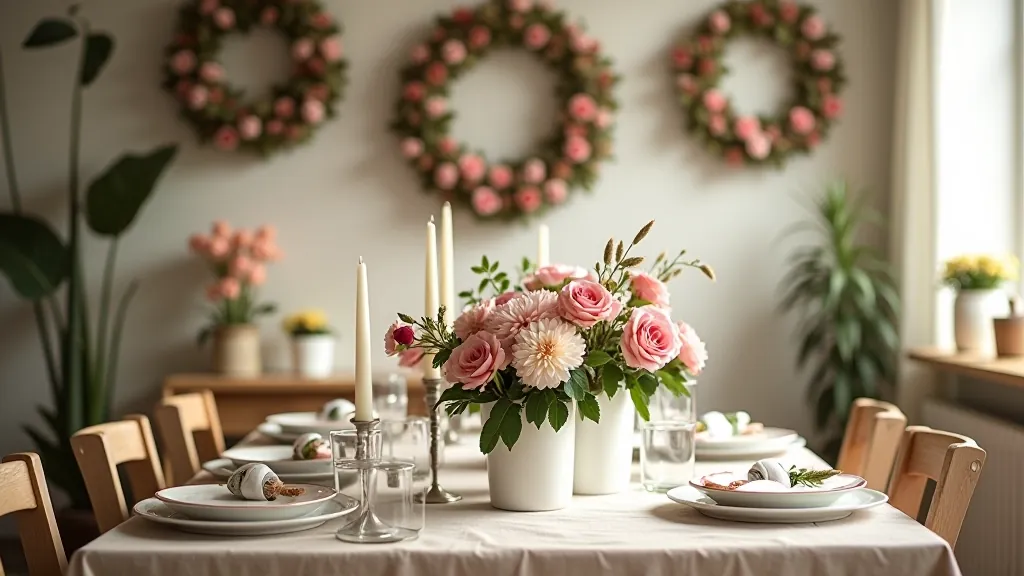
The traditional setup involves placing wreaths above doorways, on windows, and hanging them from walls. Your main door gets the primary wreath — that's the focal point. Windows come next, especially if you can see them from the street. Garlands drape across the top of doorframes or along walls. It's not about covering everything. It's about creating entry points and focal areas that draw the eye.
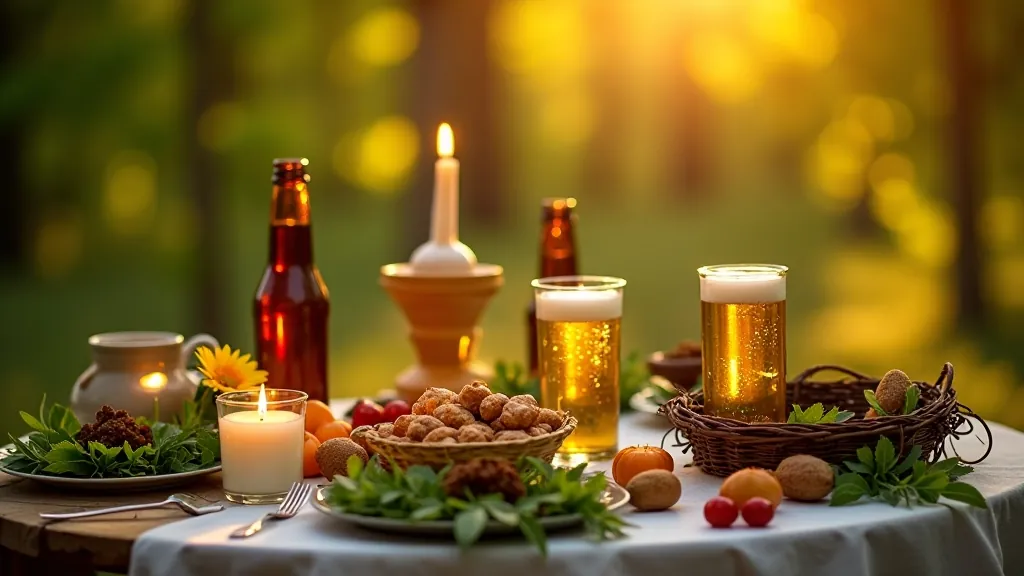
Inside, you'll want a table setup for the evening gathering. Fresh flowers in vases, some candles (always safe, unscented candles so they don't compete with the flower smell), and maybe some bread or simple food. The aesthetic is rustic and natural — think wildflower meadow, not formal arrangement. Your table doesn't need fancy linens. White or cream-colored cloth works perfectly if you have it, but honestly, a clean wooden table with flowers scattered across it captures the spirit better than anything overdone.
Two weeks before: Start identifying where flowers grow locally. Scout your garden and nearby areas.
One week before: Gather any supplies you need — twine, wire, containers, vases. Collect fallen branches.
June 22nd: Cut and gather flowers in the early morning when they're fresh. Keep them in water immediately.
June 23rd morning: Assemble wreaths and garlands. Set up your space. You'll be done by early afternoon.

This guide is for educational purposes, sharing traditional Latvian customs and practical decoration methods. Individual results will vary based on your local climate, available plants, and personal preferences. Always verify that any plants you harvest are safe to handle and that you're gathering from appropriate locations with permission. If you have allergies or sensitivities to plants, test your materials beforehand.
The most important thing about preparing for Jāņi isn't following rules perfectly. It's connecting with the tradition in a way that feels real to you. Your grandmother probably didn't stress about color coordination or symmetry. She gathered what was available, arranged it with care, and created something beautiful from nature.
Start simple. One wreath above your door. Flowers on your table. Some greenery in a vase. You'll get a feel for what works in your space and what feels right. Next year, you'll do it again with even more confidence. That's how traditions actually work — they evolve with you while keeping their core meaning intact.
The celebration itself matters more than the decorations. Spend time with people you care about. Enjoy the longest day of the year. The flowers and wreaths are just the beautiful frame around that experience.