Why Winter is Prime Time for Indoor Gardening
Winter doesn't mean you're done gardening. It's actually the perfect season to tackle projects that require patience and planning. You've got time. The outdoor beds are sleeping, and you're not spending weekends weeding or watering.
Most gardeners don't realize that January through March is when serious growers get ahead. You'll start seeds 6-8 weeks before spring frost dates, which means your seedlings are ready to go the moment the weather cooperates. Plus, building terrariums or starting herb gardens indoors keeps your mind engaged with growing things — no staring out the window wishing for warmer days.
"Winter gardening projects aren't about waiting for spring. They're about actively preparing for it."
Starting Seeds Indoors: The Foundation
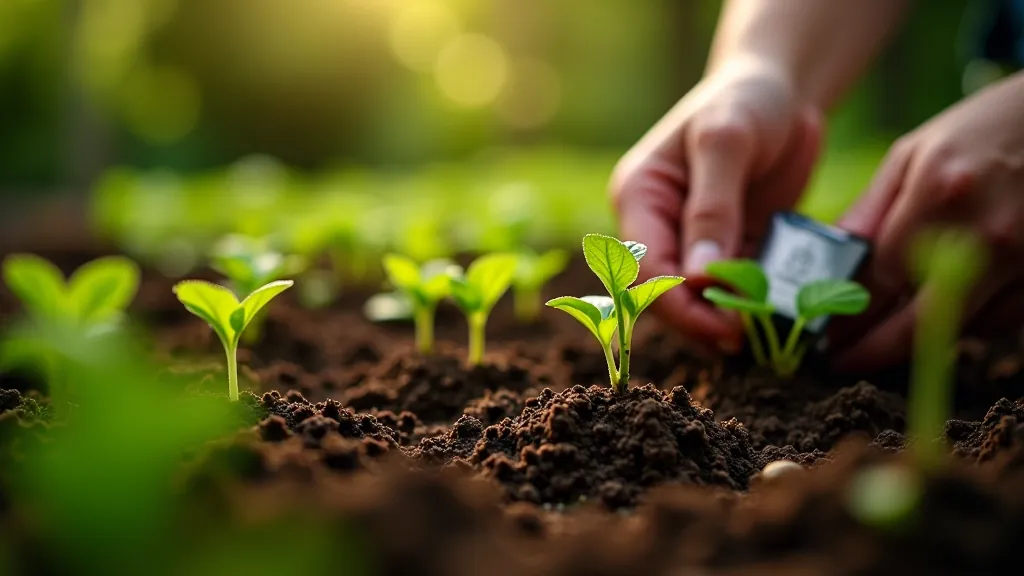
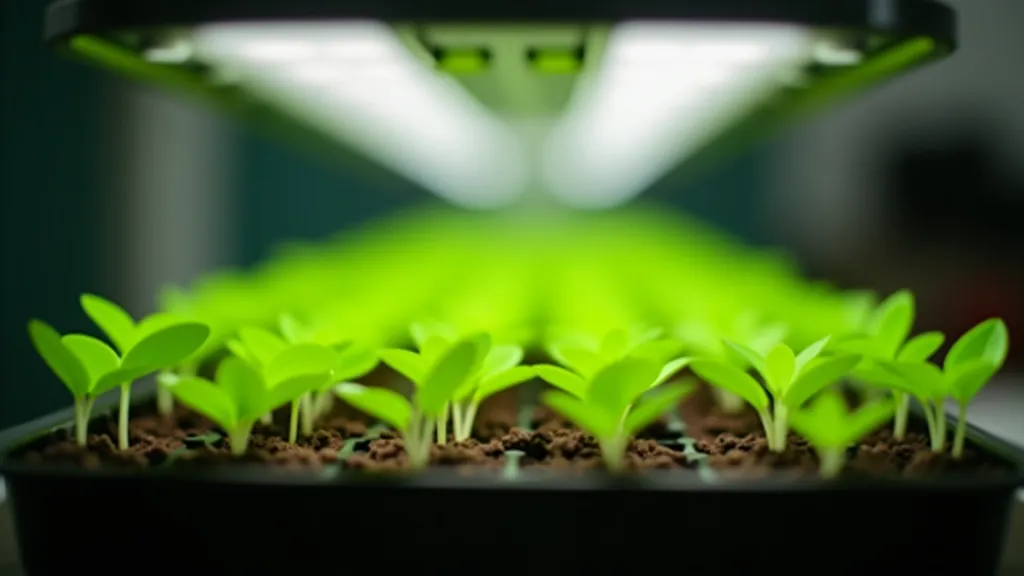
Seed starting is the most practical winter project you can do. You'll need a few things: seed trays, seed-starting mix, a sunny windowsill or grow lights, and seeds from varieties you actually want to grow.
The process is straightforward. Fill your trays with moist seed-starting mix — not garden soil, it's too dense. Plant seeds at the depth listed on the packet (usually 1-2 times the seed width). Keep the mix consistently moist but not waterlogged. Temperature matters too. Most vegetables germinate best between 65-75°F, so a warm spot like the top of the fridge works well if your home is cool.
Once seedlings emerge, they'll need strong light. A south-facing window provides some light, but grow lights are more reliable. Position them 2-3 inches above the seedlings and keep them on for 14-16 hours daily. You'll notice the difference immediately — seedlings under proper light grow stocky and strong instead of tall and spindly.
Building Terrariums: Long-Term Indoor Greenery
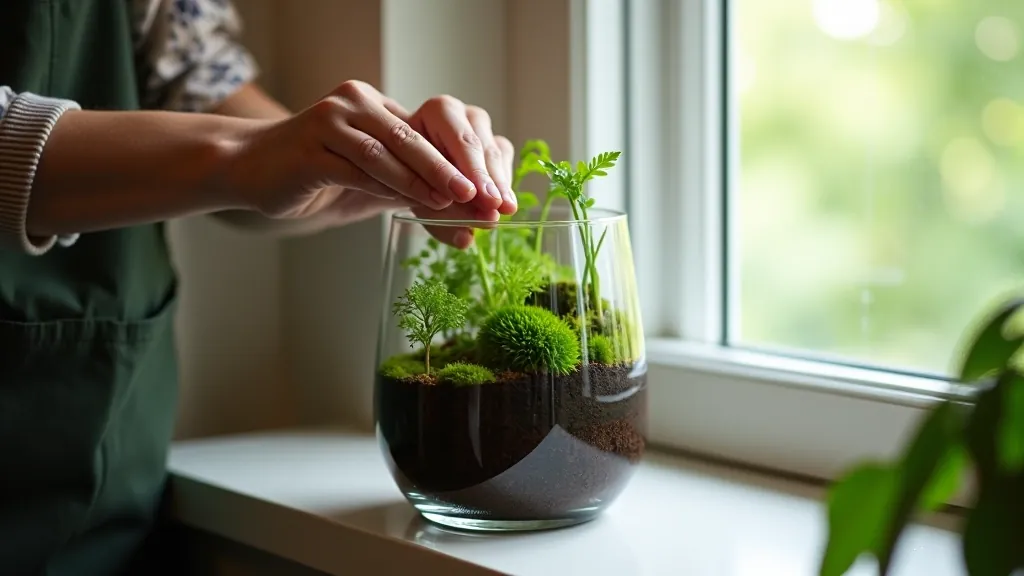
Terrariums are different from seed starting — they're living ecosystems you'll enjoy for months. And they're genuinely fun to build. The concept is simple: a closed or semi-closed container with plants, soil, and a bit of moisture that cycles within the system.
You'll want a container with a lid — glass jars work perfectly, or find clear plastic containers at craft stores. The bottom layer is crucial: add 1-2 inches of gravel or small stones for drainage. Above that, a thin layer of activated charcoal (optional but helpful for moisture control). Then add 2-3 inches of potting soil. The soil should be slightly moist, not soggy.
Choose plants that thrive in humid conditions. Ferns are classics for a reason. Moss is perfect. Small succulents work too, though they prefer less moisture. Arrange them in the soil — it's honestly like creating a miniature landscape. Add a layer of moss or small stones on top for that polished look.
After planting, seal the lid and place it near a window with indirect light. The moisture inside will condense on the glass and drip back down, creating a self-watering system. You might need to open it once a month to prevent excessive moisture, but that's it. They're low-maintenance and absolutely rewarding to watch grow.
Before You Start
The information in this article is educational and based on general gardening practices. Growing conditions vary significantly by region, climate, and individual circumstances. For specific advice about timing in your area, consult local extension services or experienced gardeners familiar with your climate zone. Always follow seed packet instructions for your region's frost dates and growing seasons.
Indoor Herb Gardens: Fresh Year-Round
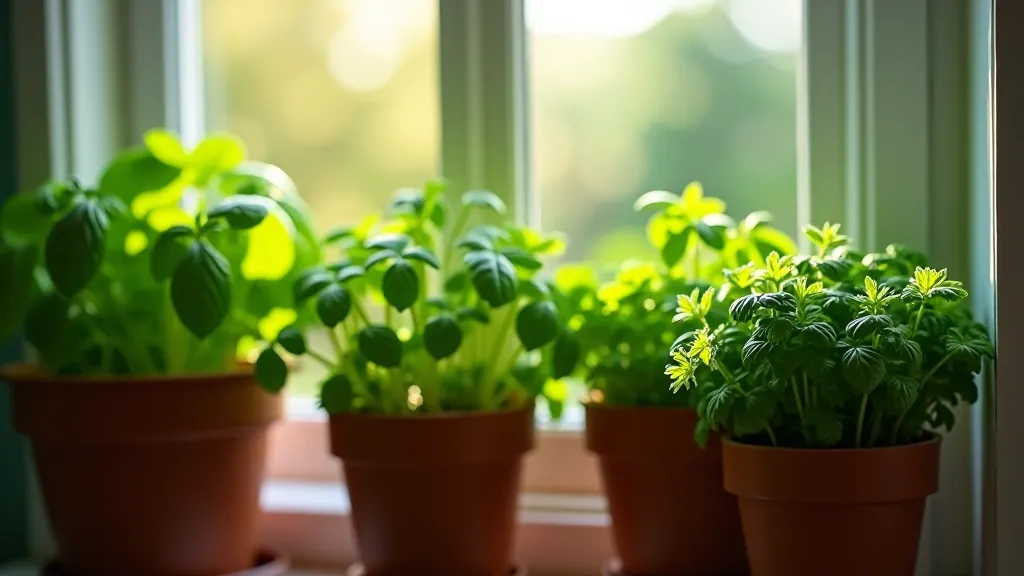
Growing herbs indoors is practical and delicious. You'll get fresh basil, parsley, chives, and cilantro all winter without relying on grocery store bunches that wilt in three days.
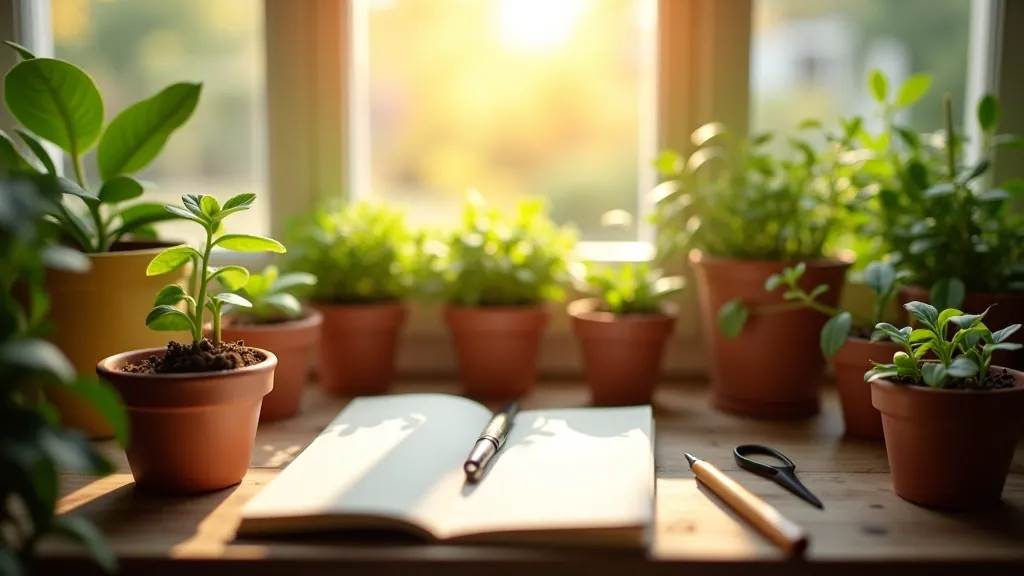
Start with established plants from a nursery rather than seeds — they're ready to use immediately. Use a pot with drainage holes and quality potting soil. Place them on a sunny windowsill (south-facing is best) or under grow lights. Herbs need about 12-14 hours of light daily.
Water when the top inch of soil feels dry. Most herbs prefer slightly drier conditions than tropical houseplants. Pinch off the top leaves regularly to encourage bushier growth and more usable foliage. You'll start harvesting within a few weeks, and the plants keep producing all season. It's satisfying to snip fresh herbs for dinner in the middle of January.
Planning and Organization: Set Yourself Up for Success
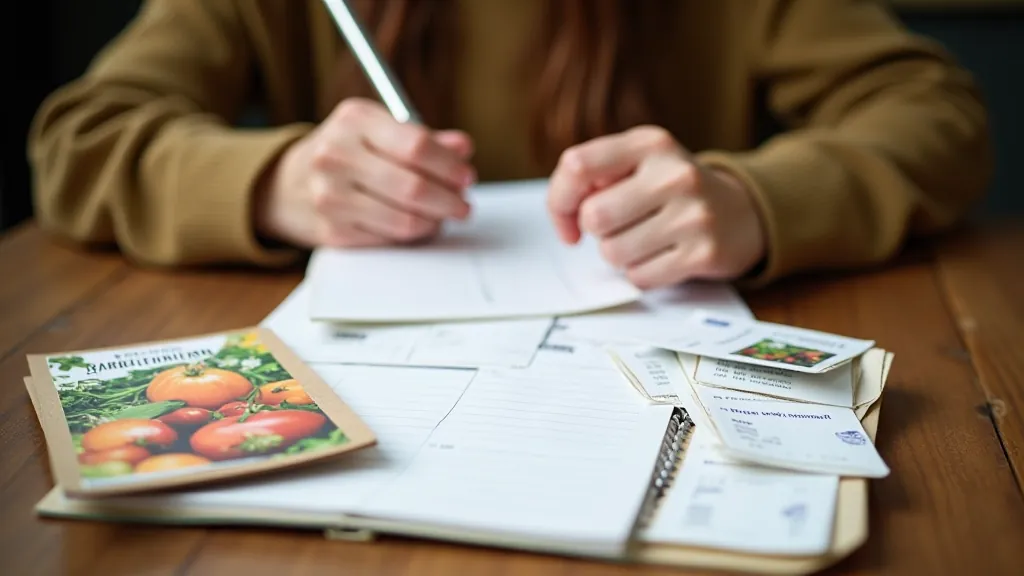
Winter projects succeed when you're organized. Spend an afternoon planning. What vegetables do you want to grow in spring? When's your last frost date? Count back 6-8 weeks and mark that date on your calendar — that's when seeds go in the soil.
Create a simple spreadsheet or notebook tracking what you've planted, when, and what you expect to harvest. Note which seed varieties performed well and which didn't. This information is gold when planning next year.
Stock up on supplies now. Seed-starting mix, pots, grow lights if needed, and seeds should all be acquired before peak planting season when stores run low. Label everything clearly — unlabeled seedlings are frustrating in March.
Making the Most of Your Indoor Growing Space
Space is often limited indoors. You don't need much. A sunny windowsill works. A corner of a basement or spare room with grow lights is even better. Shelving units can double or triple your growing area vertically — stagger your lights above each shelf and you've got an efficient propagation station.
Temperature control helps too. Most seedlings and tender plants don't like temperature swings. Keep them away from cold windows and heating vents. A consistent 65-70°F is ideal. If your home is particularly cool, a seedling heat mat can make a real difference in germination rates.
Don't overthink it. Winter indoor gardening is forgiving. You'll learn by doing. Start with one project if you're new — seed starting or a terrarium — and see how it goes. By your second winter, you'll be planning multiple projects and mentoring other gardeners who are just discovering how rewarding these months can be.
Ready for Spring Before Spring Arrives
Winter doesn't stop gardeners — it just moves the action indoors. You'll start seeds that become strong plants. You'll build terrariums that bring life to your home. You'll grow herbs that make winter cooking better. And by March, when the soil finally thaws, you'll be ahead of every gardener who spent winter waiting.
The best part? Winter projects aren't just practical. They're genuinely satisfying. There's something special about nurturing green things when everything outside is dormant. You're keeping the growing season alive in your own way, preparing the garden to flourish when warmer days return.