

Preparing Your Home for Jāņi Celebrations
Traditional decorations, flower selection, and setup methods that connect you to centuries of Latvian midsummer traditions.
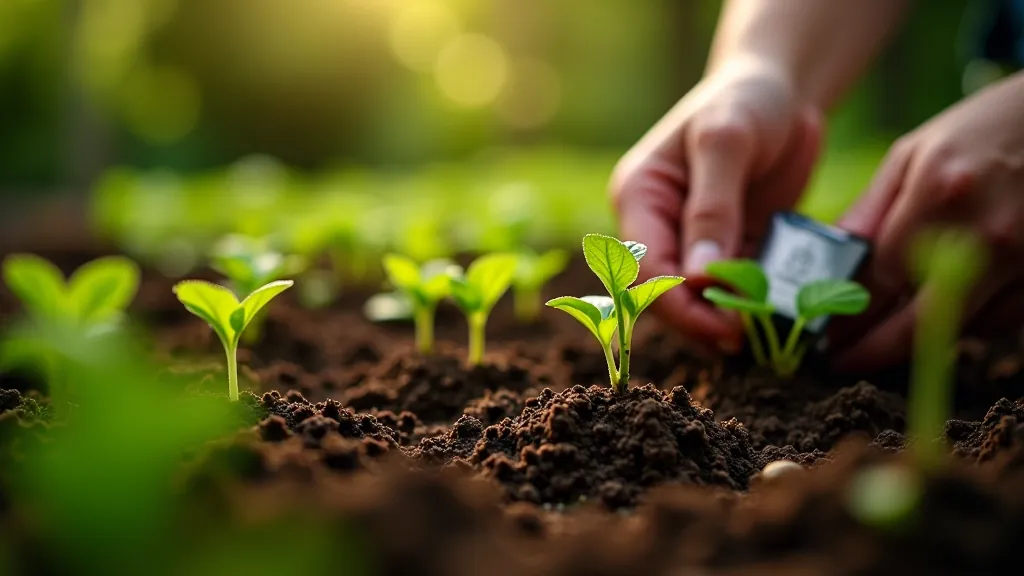
Winter's done its work. Now it's time to wake up your garden. Whether you've got raised beds, a vegetable patch, or flower borders, spring requires specific preparation. It's not just about pulling out dead plants and hoping for the best — you need a plan.
The difference between gardens that thrive and ones that struggle often comes down to timing and soil prep. We're going to walk you through exactly what needs to happen, when it needs to happen, and how to protect your new growth from those late frosts that can catch you off guard.
Before you plant anything, you need to know what you're working with. Spring is the perfect time to test your soil. A simple soil test tells you the pH level, nutrient content, and texture — information that'll save you money and frustration later.
Most vegetables prefer slightly acidic to neutral soil (pH 6.0–7.0). If you don't know your soil's pH, you can grab an inexpensive test kit from any garden center. Takes about five minutes and gives you real data to work with.
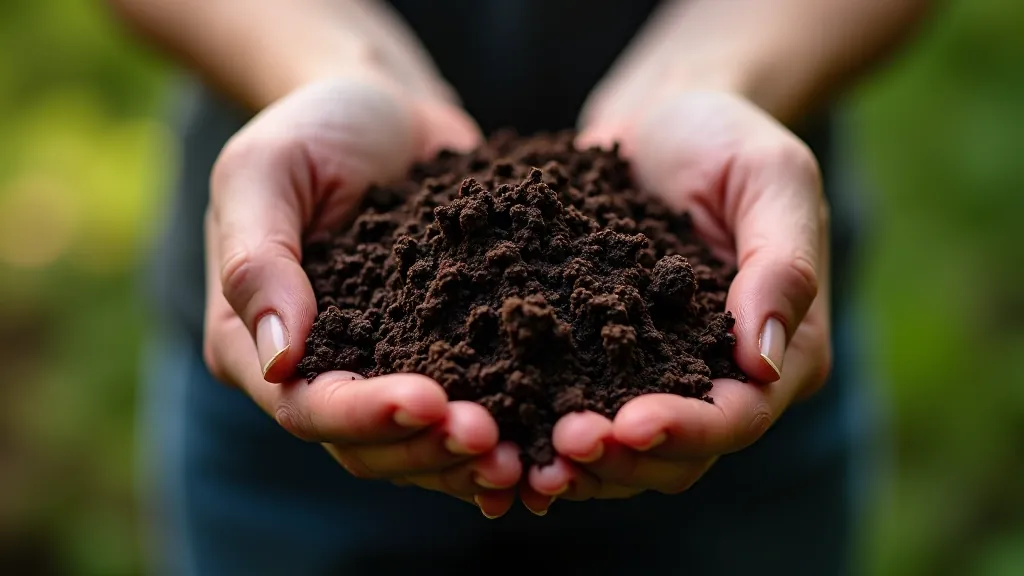
Don't dig or work wet soil. Wait until it's crumbly and falls apart easily when you squeeze it. Working wet soil destroys its structure for months. You'll know it's ready when a handful crumbles instead of forming a sticky ball.
This is where most people get impatient. Just because it's spring doesn't mean frost is done. Check your local frost date — it's the last day when frost is likely in your area. Most of Latvia experiences frost until mid-May, sometimes even early June in northern regions.
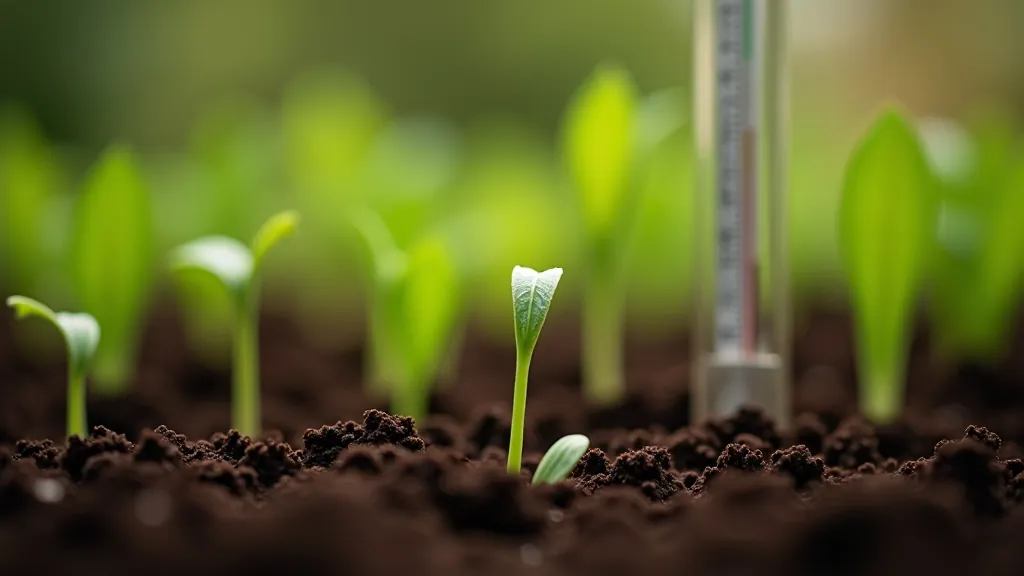
Soil temperature is just as important as air temperature. Cold soil stunts seeds and seedlings. Ideally, wait until soil reaches 10–15°C for cool-season crops (peas, spinach, lettuce) and 15–18°C for warm-season plants (tomatoes, peppers, beans). A simple soil thermometer costs just a few euros and prevents costly mistakes.
You've waited months. Your seedlings are growing strong. Then — surprise — a late frost hits and you lose everything. It happens to experienced gardeners too, which is why you need a backup plan.
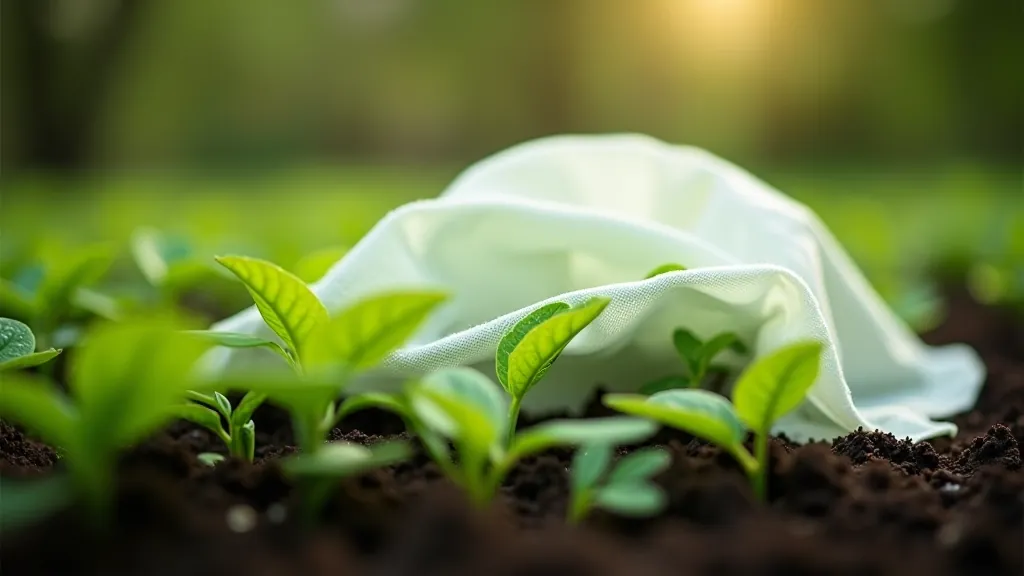
Row covers are your best friend here. They're lightweight fabric that lets light and water through but keeps frost damage at bay. They'll protect plants down to about -2°C. Heavier frost cloth goes down to -4°C. Keep them on hand in late April and early May.
Other options: old sheets (yes, really — they work), cloches (mini greenhouses), or even garden tunnels if you've got space. The key is having something ready before frost arrives, not scrambling when you see a frost warning.
Lightweight fabric, protects to -2°C, reusable for years
Heavier material, -4°C protection, durable investment
Individual plant covers, reusable, works for smaller areas
Fill dark jugs with water, absorbs heat and releases it at night
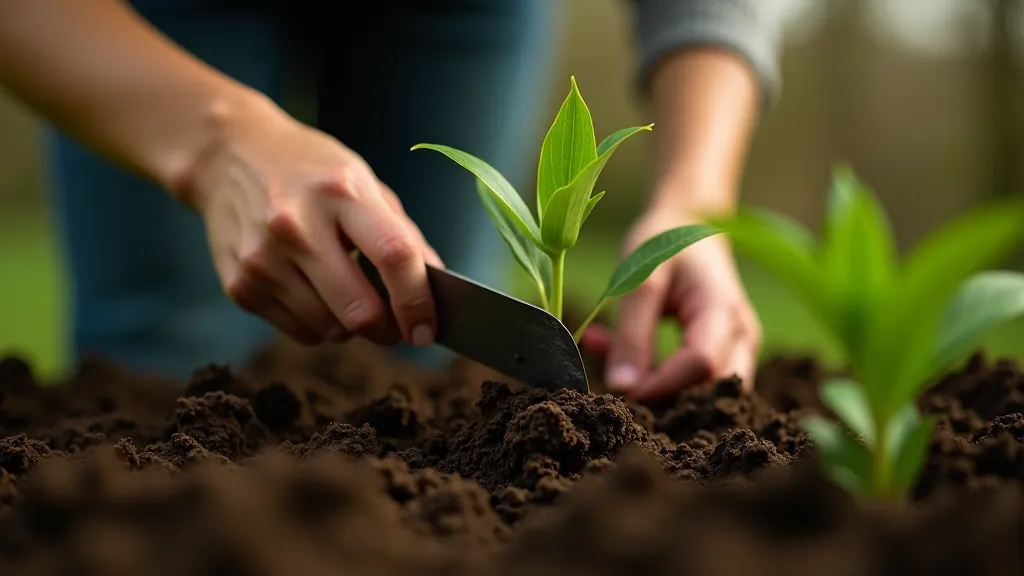
If you've been starting seeds indoors (which is smart for tomatoes, peppers, and eggplant), they'll be soft and tender. They've lived in a controlled environment under grow lights. Outside is harsh — wind, temperature swings, intense sunlight. You can't just plant them out and expect survival.
Hardening off takes 7–10 days. Start by putting seedlings outside in a sheltered spot for 2–3 hours on day one. Increase exposure gradually — day five might be 6 hours, day eight maybe 12 hours with some direct sun. By day ten, they're ready for full outdoor conditions. It feels slow, but it's worth every day.
You'll notice seedlings getting sturdier, stems thickening, leaves turning darker green. That's hardening off working. Rush it and you'll have spindly, stressed plants that'll struggle all season.
This article provides educational information about spring gardening practices based on general horticultural principles and regional climate patterns. Individual results will vary depending on your specific location, soil conditions, microclimate, and chosen plant varieties. Always verify frost dates and planting timelines specific to your region through local agricultural extension services. Weather conditions can be unpredictable — monitor forecasts closely and adjust planting schedules accordingly. When in doubt, consult with local gardening experts or your regional agricultural office.
Spring gardening doesn't just happen — it requires planning, patience, and attention to detail. But here's the thing: those early weeks of April and May set the tone for your entire growing season. Gardens that start strong produce better, face fewer pest and disease problems, and actually feel rewarding to maintain.
Start with soil. Check your timing. Protect against frost. Harden off your seedlings properly. These aren't complicated steps, but they matter. Follow them and you're looking at a season of healthy growth and actual harvests.
The work you put in now — turning soil, testing pH, watching temperatures — it's not wasted effort. It's the foundation for everything that grows in the next six months.